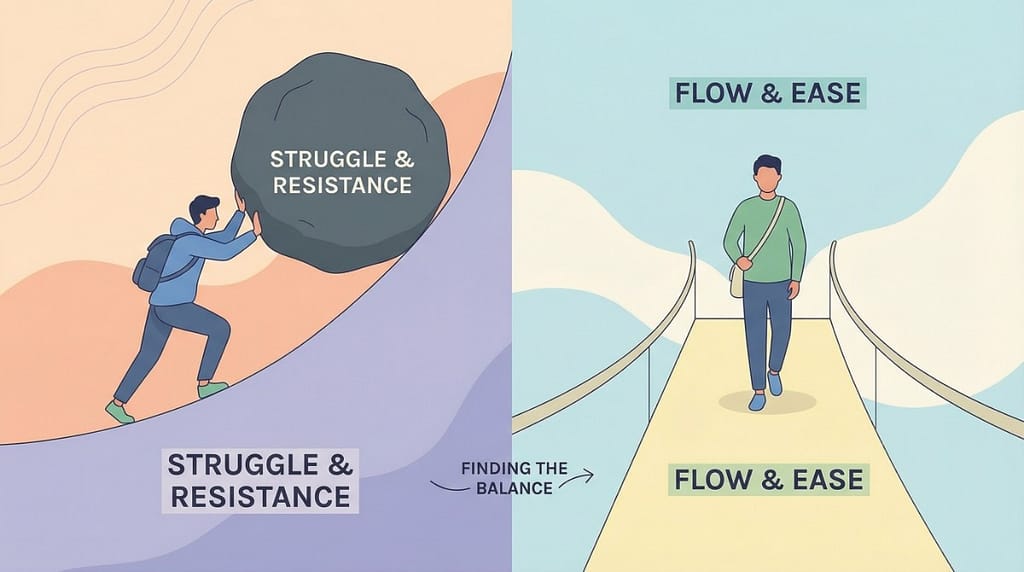
Motivation feels powerful at the start. New goals create excitement. Plans feel easy. Energy is high. But for most people, that drive disappears within days. By the end of the first week, effort feels heavier, consistency slips, and progress stalls. This is why motivation fades so quickly.
The problem isn’t discipline. It’s the way motivation works.
Motivation is emotional. It rises with excitement and falls with discomfort. In the beginning, enthusiasm masks how hard change really is. Once reality sets in, the emotional fuel runs out.
That’s when most habits collapse.
Motivation Runs on Emotion, Not Structure
Early motivation depends on how you feel, not on how the system is designed.
At the start, novelty creates momentum. The task feels lighter because it’s new. But as repetition begins, resistance appears. The same action now requires effort, planning, and restraint.
When motivation is the only driver, consistency becomes fragile. One bad day, one missed session, or one dip in mood is enough to break the streak.
This is why relying on motivation alone leads to repeated restarts instead of steady progress.
Why Motivation Fades Without Systems
Sustainable change doesn’t come from wanting something badly. It comes from reducing friction.
When actions require constant decision-making, motivation is drained quickly. Each choice consumes energy. Each delay increases resistance.
Without structure, habits depend on willpower—and willpower is limited.
This is where most people get stuck. They mistake initial excitement for commitment and assume consistency will take care of itself.
It doesn’t.
This is the same reason many habits fail after the first week, a problem also explained in Why Atomic Habits Actually Works (When Other Books Don’t), where systems outperform motivation every time.
Structure Outlasts Emotion
Systems work because they remove the need to feel motivated.
When routines are clear, simple, and repeatable, action becomes automatic. You don’t negotiate with yourself. You follow the process.
Structure does three critical things:
- Reduces decision fatigue
- Lowers resistance to starting
- Keeps action consistent during emotional dips
Motivation might get you started. Structure keeps you going.
Make Action Automatic
Consistency survives when behavior no longer depends on enthusiasm.
This means:
- Making habits small enough to start even on bad days
- Attaching actions to existing routines
- Designing environments that make the right behavior easier
When action becomes automatic, progress continues even when motivation disappears.
This is why sustainable growth often feels boring. There’s no emotional spike—just quiet repetition. But that repetition compounds.
Motivation Is a Spark, Not a Strategy
Motivation has value, but only as a trigger.
It can start momentum, but it cannot sustain it. When you expect motivation to carry you through difficulty, failure becomes predictable.
Real progress depends on systems that function without enthusiasm.
If your habits collapse the moment motivation fades, the issue isn’t you—it’s the structure you’re relying on.
FAQs
Why does motivation fade so quickly?
Because it relies on emotion, which fluctuates and weakens with repetition.
Is motivation useless then?
No. Motivation helps you start, but systems help you continue.
How do habits survive low motivation?
By reducing friction and making action automatic through routines.